African Diaspora
The African Diaspora refers to the millions of people of African descent whose ancestors originated in Africa and whose cultures have spread across the world through migration, trade, and the transatlantic slave trade. Today, the African Diaspora includes vibrant communities throughout North America, South America, the Caribbean, Europe, and beyond.Despite being separated by oceans and generations, people of the African Diaspora have preserved and transformed many African cultural traditions. Music, dance, drumming, storytelling, language, cuisine, art, and spiritual practices continue to reflect the enduring influence of African heritage while blending with local cultures to create new traditions. At PACAC, we celebrate the shared history and cultural connections that unite African and African Diaspora communities. Through interactive performances and educational programs, participants explore how African traditions continue to shape cultures around the world and inspire creativity, resilience, and community today.
African Drumming
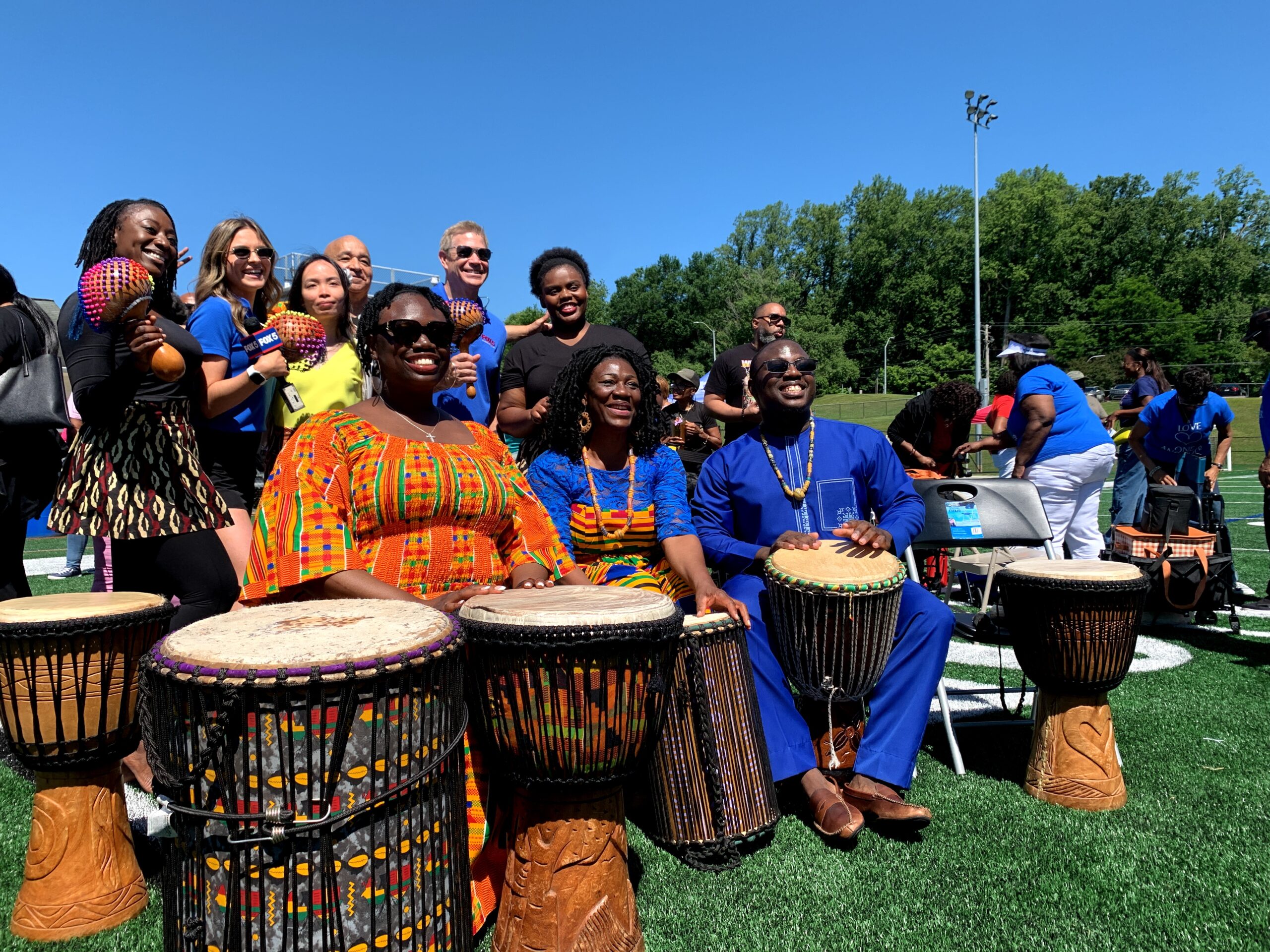
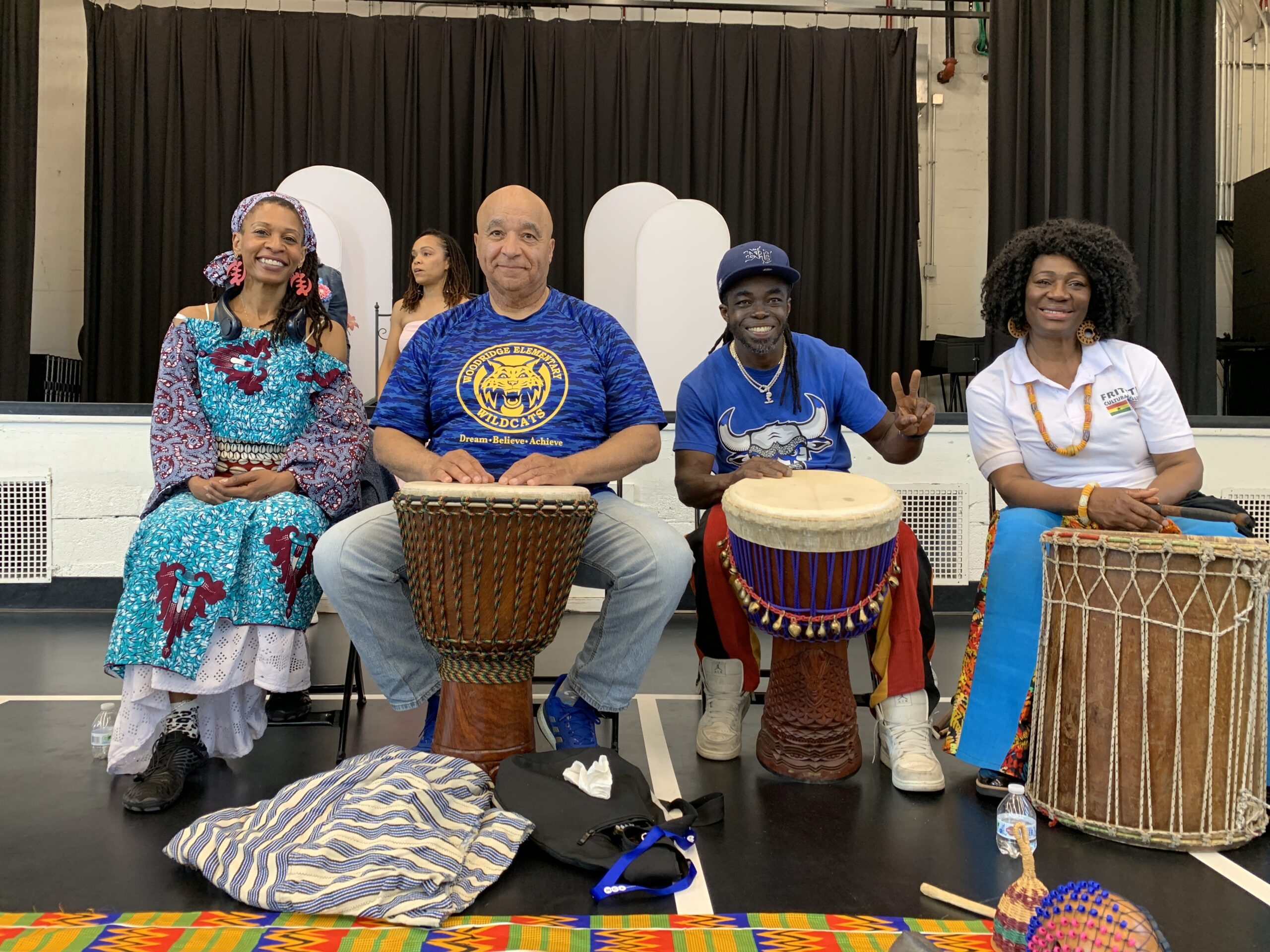
African drumming is one of the oldest and most powerful forms of communication, celebration, and storytelling. For centuries, drums have brought communities together to mark important events, preserve history, celebrate achievements, and express joy through rhythm.At the heart of many of PACAC's programs is the djembe, a hand-carved goblet-shaped drum originating in West Africa. Traditionally crafted from a single piece of hardwood and topped with goatskin, the djembe is known for its rich, dynamic sound and remarkable versatility. It can produce deep bass tones, clear open tones, and sharp slaps, allowing drummers to create complex rhythms that inspire movement and connection.Through hands-on drumming experiences, participants learn basic rhythms, explore the cultural significance of the djembe, and discover how music has long served as a universal language that brings people together. Whether you are picking up a djembe for the first time or building on previous experience, PACAC's interactive workshops foster creativity, teamwork, confidence, and a deeper appreciation for the diverse cultures of Africa.
How to play the Djembe
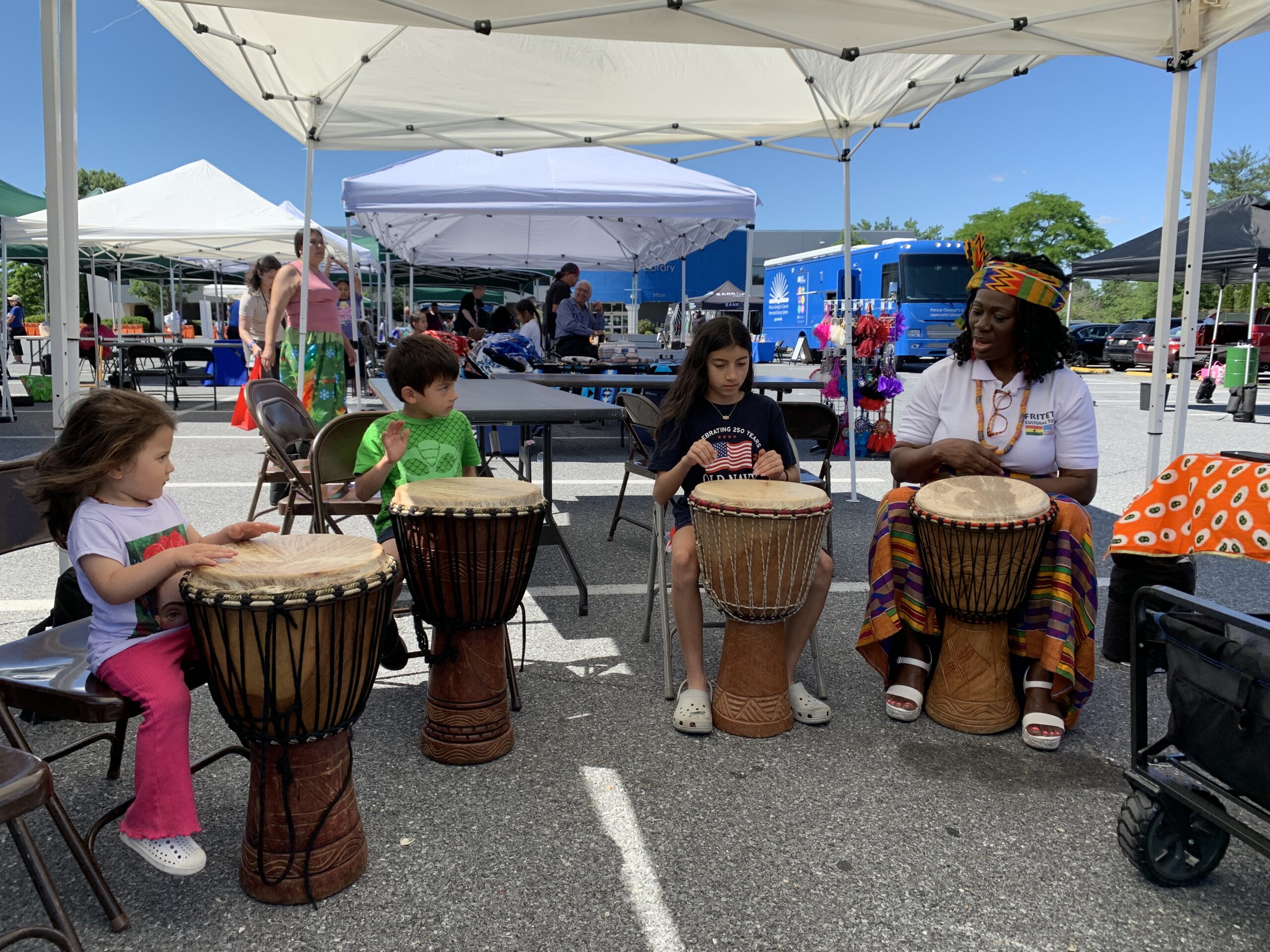
The djembe is traditionally played with bare hands and produces three basic sounds: the bass, tone, and slap. The bass is created by striking the center of the drum with a relaxed, flat hand, producing a deep, resonant sound. The tone is played near the edge of the drum with your fingers together to create a clear, musical note. The slap is also played near the rim but with a lighter, snapping motion that produces a bright, crisp sound.Good posture and proper hand technique are essential for both comfort and sound quality. The djembe is typically tilted slightly forward between the knees or supported with a shoulder strap while standing, allowing the sound to resonate freely from the open bottom of the drum.At PACAC, beginners learn these foundational techniques through fun, interactive instruction before combining them into traditional African rhythms. As participants build confidence, they develop coordination, listening skills, teamwork, and an appreciation for the rich musical traditions of West Africa—one rhythm at a time.
African Dancing
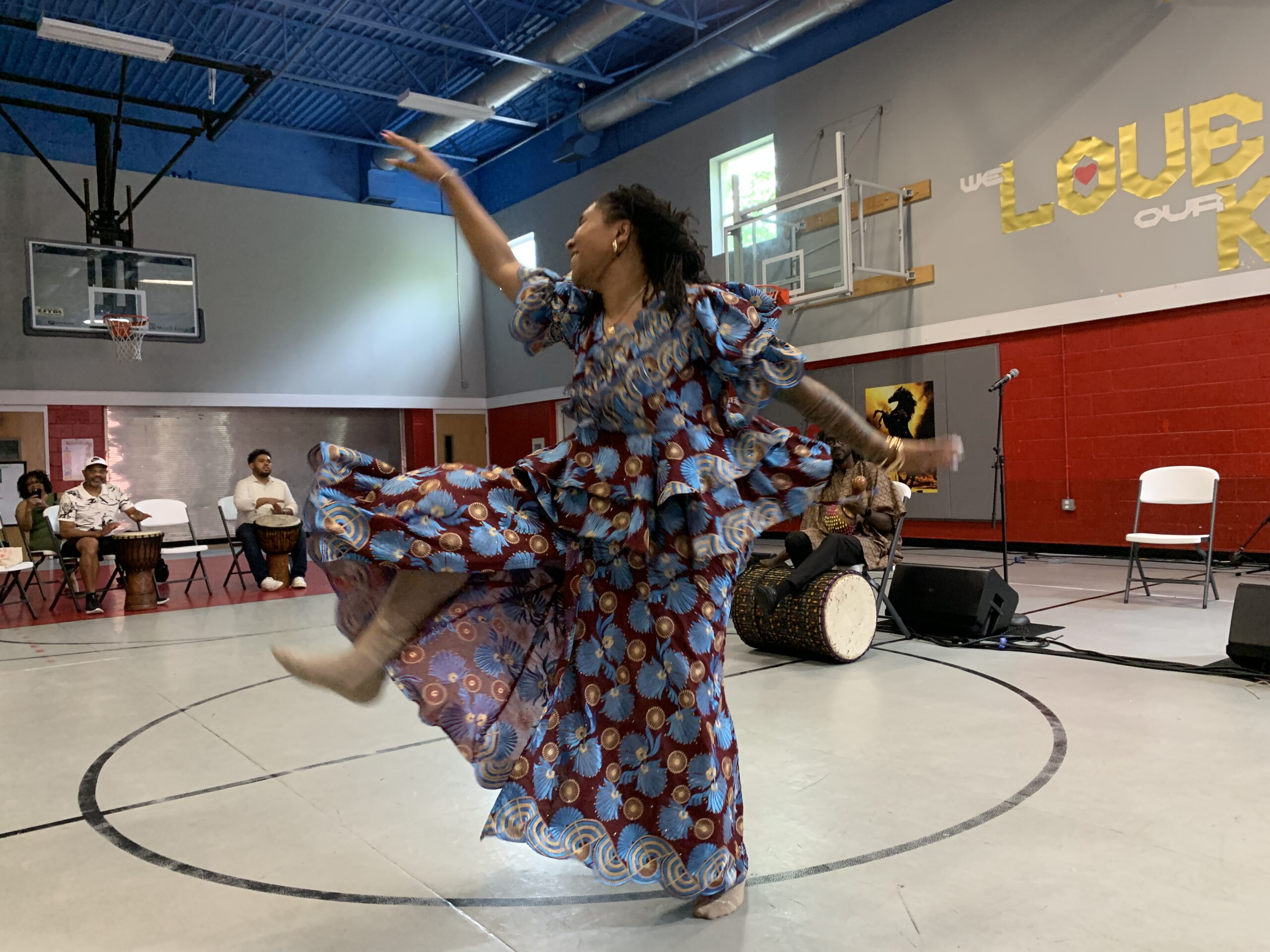
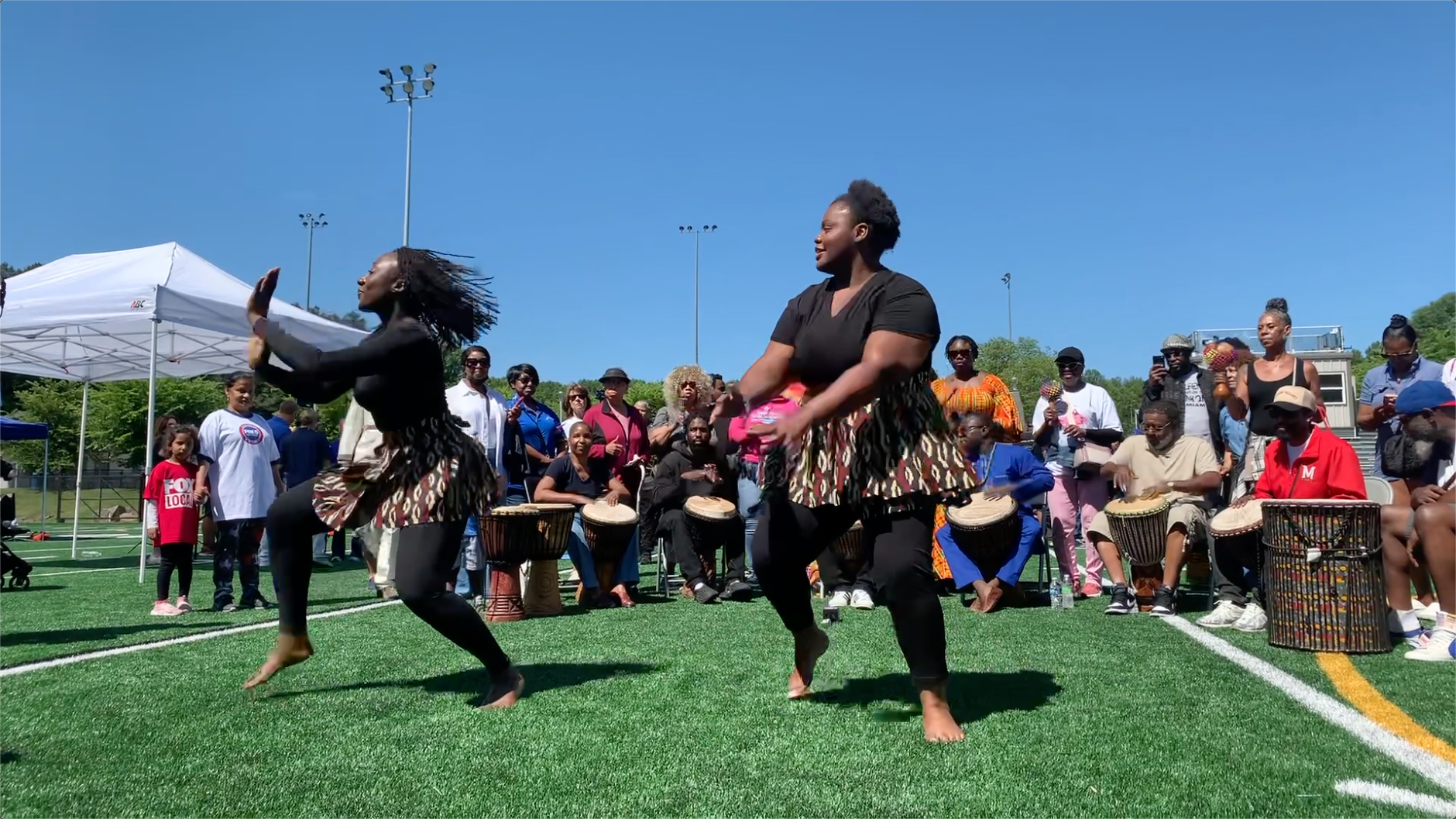
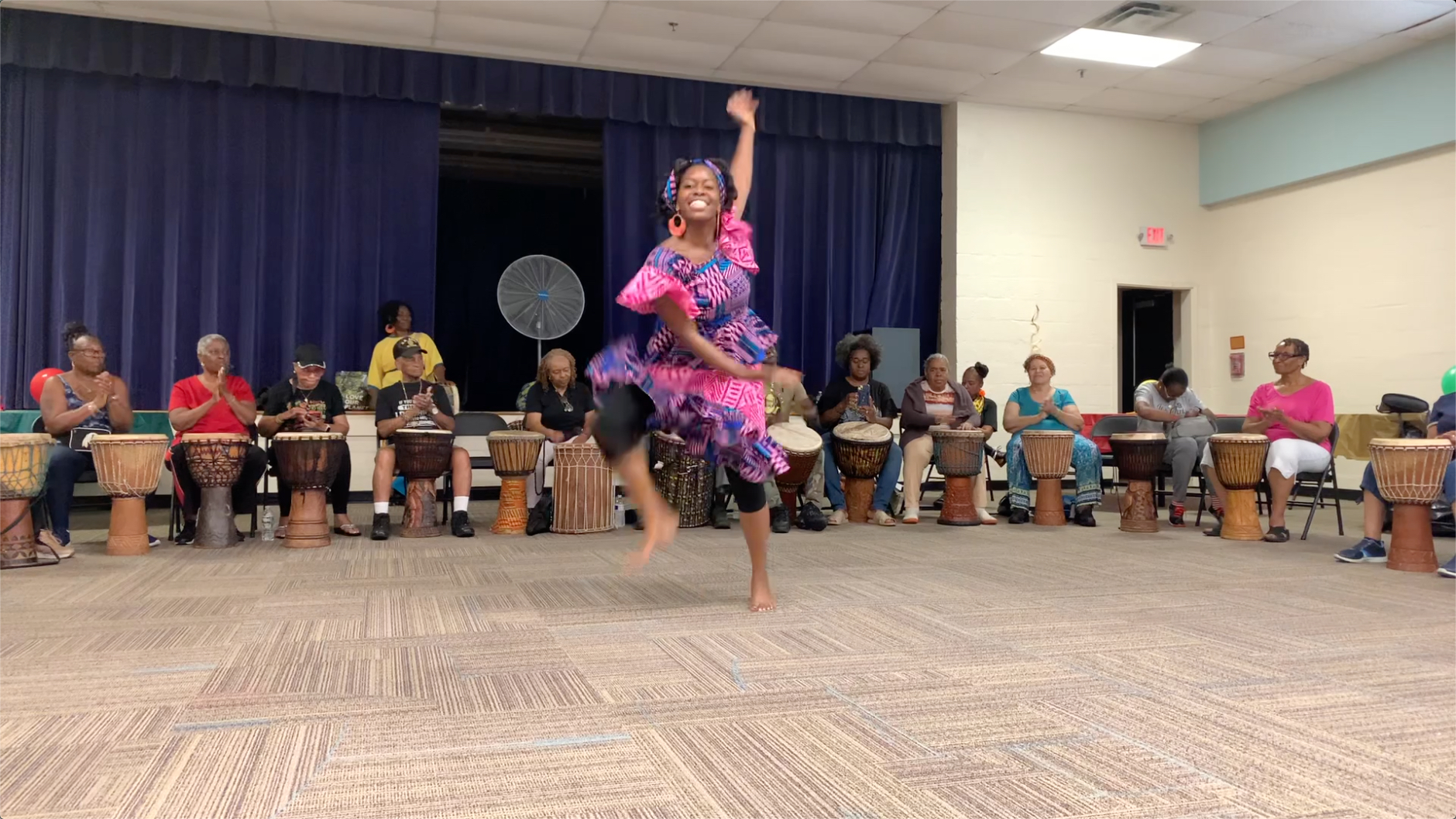
African dancing is a vibrant expression of culture, history, and community. Across the African continent, traditional dances have been passed down through generations to celebrate life’s milestones, honor cultural traditions, tell stories, and strengthen community bonds.At PACAC, participants experience the energy and joy of African dance through interactive movement that welcomes people of all ages and abilities. Guided by the rhythms of live drumming, participants learn traditional dance movements while exploring their cultural meanings and historical significance.Our dance programs encourage creativity, confidence, physical activity, teamwork, and cultural appreciation. More than just learning steps, participants discover how movement can communicate emotions, celebrate identity, and bring people together through the universal language of dance.
African Fashion
Ghana is renowned for its vibrant textiles, rich craftsmanship, and colorful traditional clothing that reflect the country's history, values, and cultural identity. One of the most recognizable fabrics is Kente cloth, a handwoven textile created by the Ashanti and Ewe peoples. Each Kente pattern and color carries symbolic meaning, representing concepts such as leadership, unity, wisdom, peace, courage, and prosperity. Ghana is also home to many beautiful traditional garments. The Kente cloth originated in Ghana and has spread throughout Africa. The Kente cloth has become a diasporic cloth because it can be seen throughout Africa. The Kaba and Slit is one of the country's most iconic women's outfits, consisting of a fitted blouse (kaba) paired with a matching wrap skirt (slit). Worn for weddings, festivals, church services, and other special occasions, the Kaba and Slit showcases elegant tailoring and colorful fabrics while celebrating Ghanaian heritage and style.The Ghanaian Smock, also known as the Fugu or Batakari, is a handwoven tunic traditionally worn in northern Ghana. Crafted from narrow strips of woven cotton that are sewn together, the smock is known for its distinctive texture, durability, and cultural significance. Once worn primarily by chiefs, warriors, and community leaders, the Fugu is now proudly worn by people across Ghana during ceremonies, celebrations, and national events. At PACAC, participants explore the beauty and significance of Ghanaian fashion by learning about traditional clothing, textiles, patterns, colors, and the stories they tell. Through hands-on cultural education, visitors discover how garments like Kente, the Kaba and Slit, and the Fugu represent history, identity, creativity, and pride while continuing to inspire fashion around the world.